



 Home > News > Industry news
Expensive Granite Overview and Application
Publish:2025-06-27 09:27:09 Source:New Lucky Stone Corporation (中菲传美)
Granite is a natural stone widely used in construction and decoration for its durability and aesthetic appeal. Some types of granite are considered expensive due to factors such as rarity, color, pattern, and origin. This article aims to provide an easy-to-understand overview of expensive granite, including reasons for its cost and common applications.
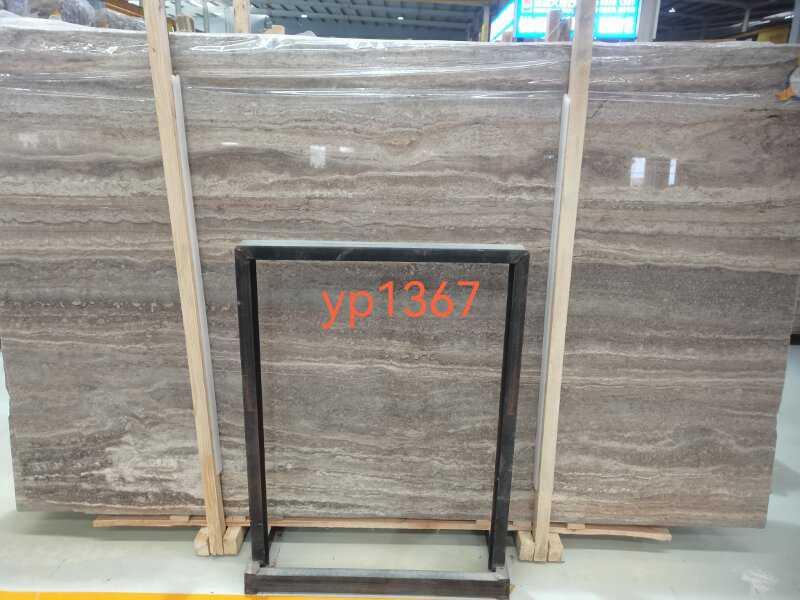
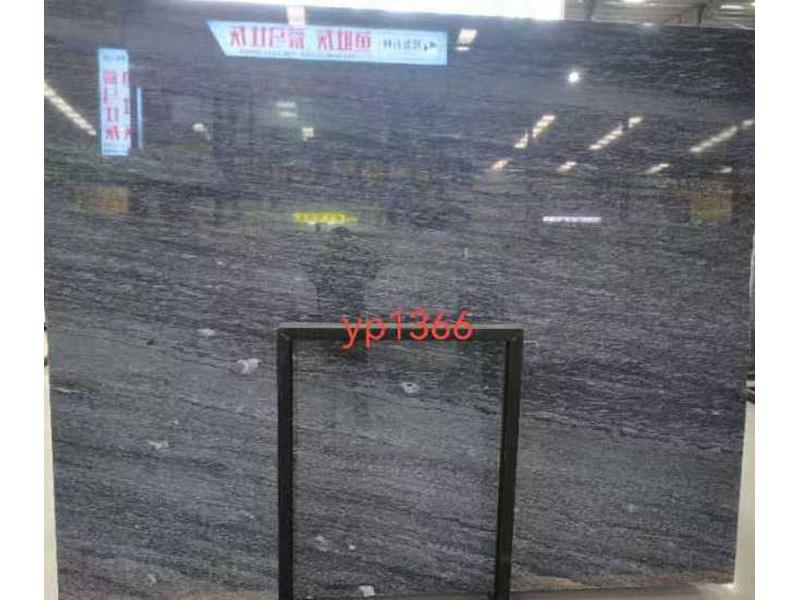
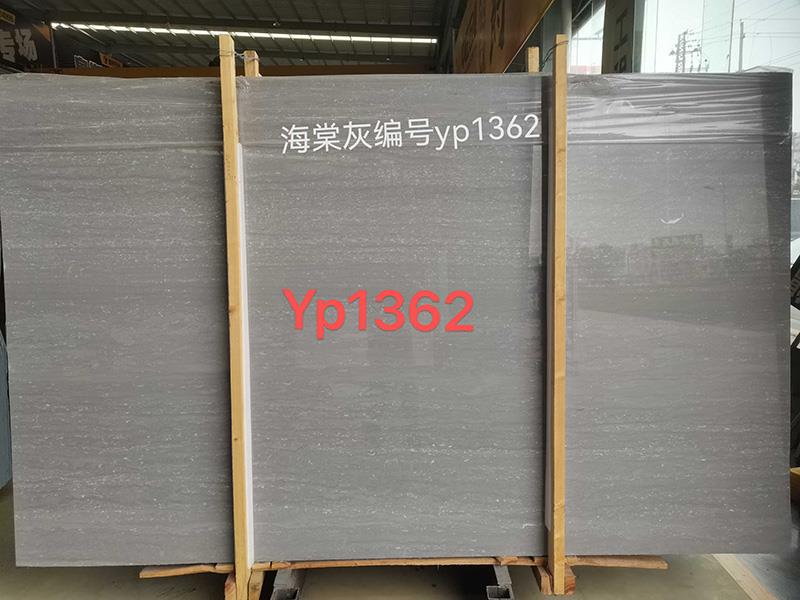
The cost of granite varies greatly depending on its quality and source. Expensive granite usually comes from limited quarries with unique colors or patterns that are hard to find elsewhere. For example, granites with exotic colors like blue, red, or green tend to be pricier. The texture and natural veining also affect the price. Some rare granites have complex and attractive patterns that enhance the beauty of surfaces.
Besides rarity and appearance, the processing and transportation of granite contribute to its cost. Extracting granite slabs requires specialized equipment and skilled labor, adding to the expense. Transportation from remote quarries to urban areas or overseas markets also increases costs significantly.
Expensive granite is commonly used in high-end kitchen countertops, luxury flooring, monument construction, and custom architectural features. Its hardness and resistance to wear make it a preferred material for surfaces needing long-term durability. Moreover, the unique aesthetics of premium granite add value and visual appeal to interior and exterior designs.
In terms of pricing, expensive granite can range from 75 to over 200 USD per square foot installed, depending on the type and market conditions. This is higher than standard granite, which often costs between 40 and 60 USD per square foot. However, the longevity and timeless appearance justify the investment in many cases.
To summarize, expensive granite is characterized by its scarcity, distinct beauty, and durable properties. While its price is higher compared to common types, the use of such granite provides lasting quality and enhances architectural spaces. Buyers interested in granite should assess the source and type carefully to select a product that meets both aesthetic and budgetary needs.
The cost of granite varies greatly depending on its quality and source. Expensive granite usually comes from limited quarries with unique colors or patterns that are hard to find elsewhere. For example, granites with exotic colors like blue, red, or green tend to be pricier. The texture and natural veining also affect the price. Some rare granites have complex and attractive patterns that enhance the beauty of surfaces.
Besides rarity and appearance, the processing and transportation of granite contribute to its cost. Extracting granite slabs requires specialized equipment and skilled labor, adding to the expense. Transportation from remote quarries to urban areas or overseas markets also increases costs significantly.
Expensive granite is commonly used in high-end kitchen countertops, luxury flooring, monument construction, and custom architectural features. Its hardness and resistance to wear make it a preferred material for surfaces needing long-term durability. Moreover, the unique aesthetics of premium granite add value and visual appeal to interior and exterior designs.
In terms of pricing, expensive granite can range from 75 to over 200 USD per square foot installed, depending on the type and market conditions. This is higher than standard granite, which often costs between 40 and 60 USD per square foot. However, the longevity and timeless appearance justify the investment in many cases.
To summarize, expensive granite is characterized by its scarcity, distinct beauty, and durable properties. While its price is higher compared to common types, the use of such granite provides lasting quality and enhances architectural spaces. Buyers interested in granite should assess the source and type carefully to select a product that meets both aesthetic and budgetary needs.
Hot News
-
Marble_Characteristics_Uses_and_Sustainable_Practices
I. Definition and Geological Formation Marble is a naturally occurring metamorphic rock formed from the recrystallization of carbonate minerals, primarily calcite or dolomite. Its formation process typically involves sedimentary rocks such as limestone or dolostone being subjected to h…
-
Expensive Granite Rare Varieties and Market Dynamics
Granite has long been celebrated as a symbol of durability and natural beauty in architecture and interior design. Among its vast array of varieties, certain rare and highly sought-after types command premium prices due to their unique geological characteristics, aesthetic appeal, and market …
-
Expensive Granite Overview and Application
Granite is a natural stone widely used in construction and decoration for its durability and aesthetic appeal. Some types of granite are considered expensive due to factors such as rarity, color, pattern, and origin. This article aims to provide an easy-to-understand overview of expensive gra…

0063 9175437126
0063 9175864384
0063 9176290981
0063 9171057666
0063 9171587770
0063 9175864384
0063 9176290981
0063 9171057666
0063 9171587770
Address: New lucky stone, Toclong road, Lot 3, Barangay toclong, Kawit cavite
Tel:0063 9175437126
Fax:
Email:luckystone8885@gmail.com
Fax:
Email:luckystone8885@gmail.com

Copyright © 2023 New Lucky Stone Corporation (中菲传美) 工信备案:闽ICP备18028093号-1
公安备案: 闽公网安备35020602002264号
闽公网安备35020602002264号


